When a child is diagnosed with autism, the next step often feels like standing at the base of a mountain, wondering whether to climb or wait for a better time. In Australia, early intervention after assessment can be the difference between a rocky ascent and a smooth, scenic hike. This article explores why timing matters, the tangible benefits for children and families, and how you can get started right away.
Understanding Early Intervention in Australia
What Does Early Intervention Mean?
Early intervention refers to a range of therapies, educational support, and family coaching that begin shortly after an autism assessment. Think of it as a safety net that catches a child before they fall into patterns that are harder to change later.
The Australian Landscape of Autism Support
Australia offers a mosaic of services—from public health programs to private specialists. The National Disability Insurance Scheme (NDIS) plays a pivotal role, providing funding for tailored supports. However, the availability of services can vary by state and locality, making early assessment a critical first step.
Why Timing Matters: The Science Behind Early Gains
Brain Plasticity and Skill Acquisition
Neuroscience tells us that the first few years of life are a period of heightened brain plasticity. During this window, neural pathways are like freshly laid tracks—flexible and receptive to new information. Early intervention leverages this plasticity, helping children develop communication, social, and motor skills more efficiently.
Social and Emotional Development
Did you know that the ability to read facial expressions peaks between ages 3 and 5? Early intervention can train children to interpret social cues, reducing frustration and anxiety. Families often notice a ripple effect: improved confidence at home translates to better engagement in school settings.
Practical Benefits for Families and Children
Improved Communication Skills
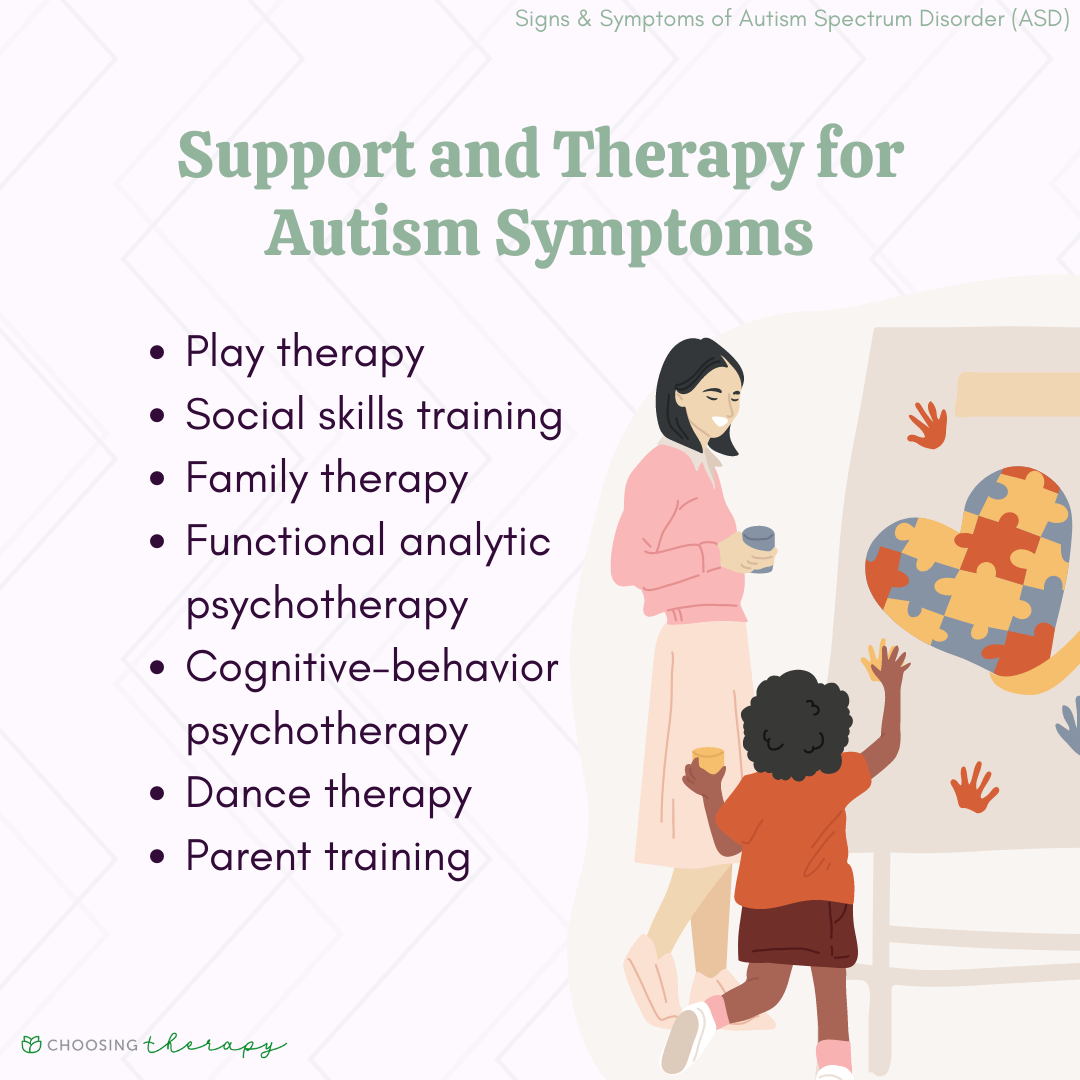
- Speech and Language Therapy: Enhances expressive and receptive language. Augmentative and Alternative Communication (AAC): Provides tools for non‑verbal children. Parent‑led Sessions: Equip caregivers with strategies to reinforce learning.
Enhanced Learning Opportunities
- Early Childhood Education Programs: Tailored curricula that adapt to individual needs. Play‑Based Learning: Uses natural curiosity to teach problem‑solving skills. Sensory Integration Techniques: Helps children process environmental stimuli more effectively.
Better Mental Health Outcomes
Early intervention can reduce the risk of anxiety, depression, and behavioral challenges later in life. By addressing core difficulties early, families often report a calmer household and a more harmonious sibling dynamic.
Real‑World Success Stories
Case Study: Emma’s Journey
Emma was 18 months old when her parents noticed delays in babbling and eye contact. After a quick assessment, her family enrolled in a speech‑language program and a sensory play group. Within a year, Emma could say “mama” and “ball,” and her parents reported a noticeable drop in tantrums. Emma’s story illustrates how early intervention can turn a potential roadblock into a stepping stone.
Quote from an Australian Autism Advocate
> “Early intervention isn’t just a medical recommendation; it’s a lifeline that opens doors for families and children alike.” – Dr. Maya Patel, Autism Advocate, Sydney
How to Access Early Intervention Services
Step‑by‑Step Process After Assessment
Get a Formal Diagnosis: Seek a qualified psychologist or developmental pediatrician. Create an Individualised Plan: Work with professionals to outline goals. Apply for NDIS Funding: Submit your plan to the NDIS for financial support. Select Service Providers: Choose therapists, educators, and support workers. Monitor Progress: Schedule regular reviews to adjust the plan as needed. li12li12/li13li13/li14li14/##Making the Most of Early Intervention
Building a Collaborative Team
A multidisciplinary team—therapists, teachers, medical professionals, and most importantly, the family—creates a holistic support system. Regular communication ensures everyone is on the same page, reducing the risk of duplicated efforts or overlooked needs.
Setting Realistic Goals
Goals should be Specific, Measurable, Achievable, Relevant, and Time‑bound (SMART). For example, “Emma will use two‑word sentences by age 3” is clearer and more motivating than a vague “improve communication.”
The Road Ahead: Long‑Term Impact
Transition to School and Beyond
Early gains lay a foundation for smoother school autism in girls transitions. Children who receive timely support are more likely to thrive in mainstream classrooms, participate in extracurricular activities, and develop friendships.
Lifelong Benefits
Research indicates that early intervention can lead to higher educational attainment, improved employment prospects, and greater independence in adulthood. These benefits ripple through families, communities, and the economy.
A Path Worth Taking
Imagine a child’s growth as a garden. Early intervention is the rich, well‑tended soil that allows seedlings to sprout strong. Without that nurturing, the plant might still grow, but it will take longer, and the path to maturity will be steeper. For parents and caregivers in Australia, the question isn’t whether to intervene early—it’s how quickly can you get started?
If you’re ready to explore early intervention options, reach out to your local health service or the NDIS. The first step is often the most important, and every child deserves the best chance to flourish.
